Professional Gutter Repair in Hackettstown for Long-Lasting Results

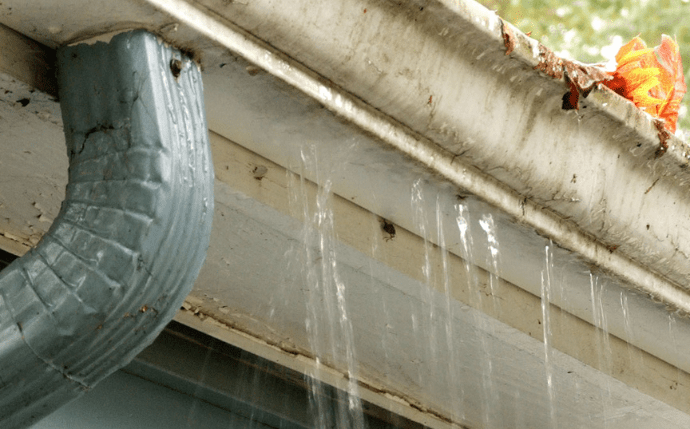
A gutter system does quiet work until the day it does not. When it fails, the signs can show up far from the roofline. A damp basement wall, mulch washed out of a flower bed, peeling paint near a soffit, ice collecting at the front walk, all of those can trace back to a gutter that is sagging, leaking, clogged, or pitched the wrong way. In a place like Hackettstown, where homes see spring downpours, summer storms, falling leaves, and winter freeze-thaw cycles, gutter problems rarely stay small for long.
That is why professional gutter repair matters. Homeowners often notice the obvious symptom, a drip at a seam or water pouring over the front edge, but the real issue may involve hanger spacing, fascia damage, downspout capacity, or years of slight movement in the roof edge. A quick patch can buy time. A proper repair restores drainage, protects the structure, and extends the life of the entire system.
What goes wrong with gutters in Hackettstown
Local weather puts gutters through repeated stress. Heavy rain tests capacity. Wet leaves and seed pods form dense clogs that trap water. Snow load can pull a gutter out of alignment, especially on older homes where fasteners have loosened in aged fascia boards. Then winter temperatures dip, trapped water freezes, and seams open a little wider. By spring, what looked like a minor nuisance has become a recurring leak.
Hackettstown also has a housing mix that creates different repair challenges. Older homes may have wood fascia that has softened over time, making it harder for existing spikes or screws to hold. Newer homes often use long runs of aluminum gutters that look clean and simple, but even those can shift if hangers were installed too far apart or if the original pitch was too flat. On homes with mature trees, debris load becomes the main problem. Pine needles, maple seeds, and oak leaves can pack tightly enough to block even a larger downspout opening.
One of the most common misunderstandings is the idea that overflowing water always means the gutter is too small. Sometimes it is. More often, the issue is more specific. A downspout may be obstructed, the outlet may be undersized, or one section may have settled just enough to leave standing water. That standing water then corrodes the metal, stains the exterior, and adds weight every time it rains.
Repair is not just about stopping a leak
The goal of a professional repair is controlled drainage from roof edge to discharge point. That means water enters the gutter, moves efficiently toward the downspout, travels away from the foundation, and does not back up into the house envelope. When that chain is broken anywhere, damage tends to spread outward.
A leaking seam can stain siding, but it can also saturate fascia and soffit materials behind the gutter. A loose gutter can pull on the roof edge trim. A downspout that dumps too close to the house can contribute to basement moisture or settlement issues over time. On walkways and driveways, poor drainage creates slip hazards in winter and can accelerate surface wear.
This is where experienced judgment makes a difference. Not every damaged section needs a full replacement, and not every old gutter is worth repairing. The right call depends on the age of the system, the type of damage, the condition of adjacent materials, and whether the current layout handles the roof’s water volume. Professional Gutter Repair Hackettstown services should start with those questions, not with a one-size-fits-all pitch.
The signs that tell you a repair is overdue
Some warning signs are obvious. Water spilling over the gutter lip during a moderate rain is hard to miss. Others are subtle and easy to ignore for a season or two. Those quieter signs often point to larger issues.
Water marks under the gutter run are a common clue. So are dark streaks at the corners, which often indicate overflow mixed with roof runoff residue. If you see fasteners backing out, sections pulling away from the fascia, or a visible dip in the middle of a run, the gutter is no longer carrying water as intended. Puddling near the foundation after rainfall can mean the downspout discharge is inadequate, disconnected underground, or simply aimed in the wrong place.
Inside the house, the connection is not always obvious. I have seen homeowners chase a musty basement smell for months before realizing the cause was a rear downspout emptying at the base of the wall. I have also seen paint failure on trim get blamed on sun exposure when the real source was a tiny but constant seam leak above it. Gutters affect more than most people realize because water always finds the weakest path.
Why DIY fixes often fail after one or two storms
There is nothing wrong with cleaning a reachable section or tightening a visible screw if you know what you are doing. The problem comes when repair is treated like caulking a bathtub. Roof drainage systems move, expand, contract, and carry a surprising amount of force during storms. What looks sealed on a dry afternoon may open again after the next cold night or cloudburst.
Store-bought sealants are a good example. Used correctly on a properly prepared seam, they can be part of a durable repair. Used on dirty, wet, oxidized metal, they tend to peel, crack, or bridge the problem without actually fixing the joint. The same goes for replacing one hanger without correcting pitch, or clearing a downspout without addressing the debris source that caused the blockage in the first place.
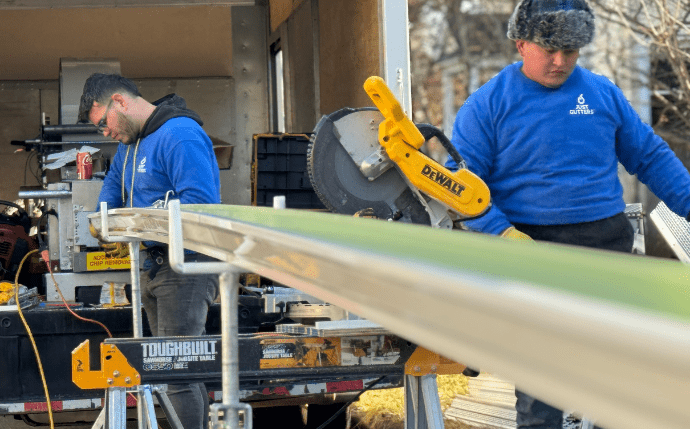
Safety is another issue. Many gutter problems happen at roof edges, over porches, above uneven ground, or near power lines. The repair itself may be simple, but access is not. A professional crew brings ladders suited to the layout, stabilizers to protect the gutter and siding, and enough experience to inspect the full run while they are there. That matters because gutter failures are rarely isolated to the exact spot where the drip is visible.
What a professional repair visit should actually involve
A solid repair process starts with observation during or after water exposure when possible. Dry inspections are useful, but active rainfall reveals behavior that static checks can miss. If it has not rained recently, a controlled water test can help identify overflow points, slow drainage, and leaking joints.
The technician should assess more than the gutter body itself. Fascia integrity, hanger condition, downspout placement, outlet size, corner performance, splash patterns, and ground grading all matter. If the gutter is attached to rotted wood, simply tightening hardware is temporary. If the system lacks enough downspouts for a long roof plane, repeated clogging and overflow may continue even after a cleanup and reseal.
Repairs commonly include resealing seams and end caps, re-pitching sections, replacing damaged hangers, securing loose downspouts, correcting strap placement, patching isolated holes, and replacing short sections that have bent or corroded beyond recovery. On some homes, especially older ones, the most important part is reinforcing attachment points so the gutter can carry water without twisting away from the fascia.
A good repair also addresses runoff at the ground. Discharging water right at the foundation is asking the soil to absorb more than it should, especially during prolonged storms. Extensions, splash blocks, or rerouted downspouts are not glamorous upgrades, but they are often the difference between a repair that solves the problem and one that only moves it.
Materials matter more than many homeowners expect
Most residential gutters in this area are aluminum, and for good reason. Aluminum resists rust, is relatively light, and works well in sectional or seamless systems. But “aluminum gutter” covers a broad range of quality. Thinner Gutter Repair Hackettstown material dents and distorts more easily, especially where ladders have leaned on it or snow has pressed against it. Heavier gauge material holds shape better and generally supports longer-lasting repairs.
Steel gutters appear on some homes, particularly older properties or structures where durability was prioritized decades ago. They can be strong, but once rust starts, repair options become narrower. Surface corrosion can sometimes be managed. Deeper rust-through usually means selective replacement at a minimum. Copper is less common, but when present it deserves a different level of care. Repairs should preserve both performance and appearance, and not every contractor is equally comfortable working with it.
Fasteners matter too. The old spike-and-ferrule style still exists on many houses, but hidden hangers with screws usually provide better long-term holding power when installed properly. If a crew is already doing repair work, upgrading attachment hardware on a problem run can be money well spent. It is one of those details homeowners do not see from the ground, yet it often determines whether the fix lasts five months or five years.
The role of pitch, sizing, and downspout layout
Gutters are simple in concept, but they depend on precise alignment. Too much pitch looks awkward and can cause water to rush noisily toward one end. Too little pitch leaves standing water, which Gutter Repair Hackettstown attracts debris and increases corrosion. The margin for error is small enough that experience shows. A run can look nearly level to the eye and still drain properly, but only if it was set that way intentionally.
Sizing is another place where assumptions can mislead. Standard systems work well on many homes, yet roof area, slope, and valley concentration all affect how much water reaches a given section. A quiet side elevation may need little adjustment, while the front corner under a large valley may need a wider outlet or an additional downspout to keep up during heavy rain. Professional Gutter Repair Hackettstown providers who understand local storm patterns will often spot these overload points quickly.
Downspout layout deserves more attention than it gets. A perfectly intact gutter still fails if the downspout is too small, clogged, crushed, or discharging into saturated ground. On some properties, the right repair includes extending runoff farther from the house or correcting an underground drain connection that has backed up with roots or sediment.
Small repairs versus section replacement
Homeowners often ask whether a damaged area can be repaired without replacing the whole run. The honest answer is yes, sometimes, and no, sometimes. The decision depends on what failed and why.
If the gutter body is sound and the issue is limited to a seam, end cap, hanger, or isolated puncture, repair usually makes sense. If the metal has multiple weak spots, recurring leaks, or significant warping, patching one location can become an expensive delay tactic. Section replacement is often smarter when there is visible corrosion over several feet, major deformation, or evidence that prior repairs have already stacked up.
There is also the visual factor. On the front elevation of a home, a carefully matched replacement section may still look better than a heavily patched original. On less visible areas, utility can matter more than perfect cosmetic continuity. This is where a professional should explain the trade-off clearly. The least expensive option today is not always the most economical over the next few seasons.
I once looked at a home where three separate hand-applied sealant repairs had been layered onto the same corner over several years. Each patch had slowed the leak for a while. None had fixed the gutter movement causing that corner to open up. Replacing and re-securing that section cost more than another tube of sealant, of course, but less than another year of stained trim and hidden moisture behind the fascia.
Seasonal pressure on gutter performance
Timing affects both damage and repair strategy. Spring tends to reveal what winter loosened. Hangers pull, seams open, and downspouts clog with the residue of months of debris and ice movement. Summer storms then stress whatever winter weakened. Fall introduces fresh blockages, particularly on tree-lined streets. By the time freezing weather returns, any trapped water has a chance to expand and make the damage worse.
That cycle is why prompt repair matters. A small issue found in late spring can often be corrected before peak summer rainfall. Wait until late fall, and the same issue may enter winter unresolved, when access is harder and moisture behaves less predictably. If a house has had one or two signs of drainage trouble, a preventive inspection before major weather shifts is usually worth it.
For homeowners trying to plan maintenance sensibly, a practical rhythm works best: check after leaf drop, check after heavy winter weather, and pay attention during the first substantial spring rains. Those moments tend to expose the problems that a dry visual scan misses.
Choosing a contractor for Gutter Repair Hackettstown
Not every exterior contractor approaches gutters with the same level of care. Some treat them as an add-on service. Others understand that roof drainage is its own discipline. The difference shows in the questions they ask and the specifics they notice.
A reliable contractor should inspect the whole system, not just the leak point you called about. They should talk plainly about what can be repaired, what cannot, and why. They should also be willing to point out related issues such as fascia deterioration, poor discharge location, or the need for improved support on long runs. If the explanation sounds vague, or if the solution is simply “we’ll reseal everything,” caution is warranted.
These are a few signs you are dealing with a repair-minded professional rather than a quick-patch crew:
- They evaluate pitch, hanger spacing, and fascia condition before recommending sealant or replacement.
- They explain whether the problem is isolated or systemic, and what that means for lifespan.
- They discuss runoff at the foundation, not just the gutter itself.
- They match repair methods to the gutter material and age.
- They describe what success should look like during the next heavy rain.
Those details matter because good gutter work is diagnostic as much as it is hands-on. You are paying for correction, not just labor at a ladder.
Cost, lifespan, and what “long-lasting” really means
Homeowners naturally want a durable result, but “long-lasting” depends on realistic expectations. A professional repair should restore function and buy meaningful service life. How much life depends on the starting condition of the system. A ten-year-old aluminum gutter with one failing seam may respond beautifully to repair and perform for years. A twenty-five-year-old system with repeated sagging, oxidation, and rotted attachment points may need more than targeted fixes to be dependable.
Cost varies with access, height, extent of damage, material, and whether hidden wood repairs are involved. A straightforward reseal and rehanger on an accessible section costs much less than reworking multiple runs around dormers or addressing fascia rot under the gutter line. When estimates differ widely, the scope often explains why. One contractor may be pricing a visible patch. Another may be including the structural work needed to keep that patch from failing again.
The best value often comes from solving the underlying cause the first time. If a rear gutter overflows because one downspout serves too much roof area, repeated cleanings may never fully solve it. Adding capacity costs more upfront, but less than recurring service calls and water damage. Long-lasting results come from fit, not just effort.
Maintenance after repair
A repaired gutter system still needs routine care. Repair restores performance, it does not make the system immune to leaves, storms, or time. The maintenance burden depends on the property. A home surrounded by tall deciduous trees may need attention two or three times a year. A more open lot may need much less.
What matters is consistency. Debris buildup is easier to remove before it compacts. Small alignment shifts are easier to correct before they pull fasteners loose. If gutter guards are installed, they still need occasional inspection because no guard eliminates maintenance entirely. Some reduce cleaning frequency very effectively, especially against larger leaves. Others struggle with fine debris or shingle granules. Choosing them well takes the same practical judgment as the repair itself.
A simple habit helps more than most people expect: watch the gutters during a hard rain. You do not need to climb a ladder or perform a technical assessment. Stand at a safe distance and look. Water should move toward outlets without spilling over edges or dripping steadily from joints. If something looks off, early service is almost always cheaper and cleaner than delayed repair.
Protecting the parts of the home you do not see
The value of good gutter repair is not limited to gutters. It protects fascia, soffits, siding, windows, masonry, landscaping, walkways, and foundations. It reduces the chance that hidden moisture will linger where mold, rot, or insect activity can follow. It also helps preserve the appearance of the home, because uncontrolled roof runoff leaves marks fast.
For many homeowners in Hackettstown, gutters sit low on the priority list until a problem becomes visible indoors or around the foundation. By then, the repair scope often grows. Addressing issues earlier, with a contractor who understands both roofing edges and water management, usually leads to better outcomes and fewer surprises.
Professional Gutter Repair Hackettstown services are most valuable when they focus on the full drainage picture. Not just the seam that leaked, not just the elbow that clogged, but the entire path water takes from the roof to a safe discharge point. When that path is restored properly, the results last longer, the house stays drier, and one of the most overlooked systems on the property goes back to doing its job without calling attention to itself.
Just Gutters LLC
Address: 262 Main St, Hackettstown, NJ 07840
Phone number: +12013319454
FAQ About Gutter Repair Hackettstown
What is the average cost to repair gutters?
The average cost to repair gutters is about $390, with most jobs ranging from $120 to $900 depending on the damage. You can explore detailed data and estimates on Angi.
Can I repair a gutter myself?
Yes, you can easily repair most common gutter problems yourself if you are comfortable working on a ladder.
How much does it cost to repair a leaking gutter?
The average cost to repair a leaking gutter ranges from $75 to $350. Most homeowners spend around $150 to $250 to hire a professional to patch small holes or reseal leaking joints. If the damage is severe and requires replacing entire sections, the price can increase from $300 to $800.