Gutter Installation Hackettstown: Top Questions Homeowners Ask

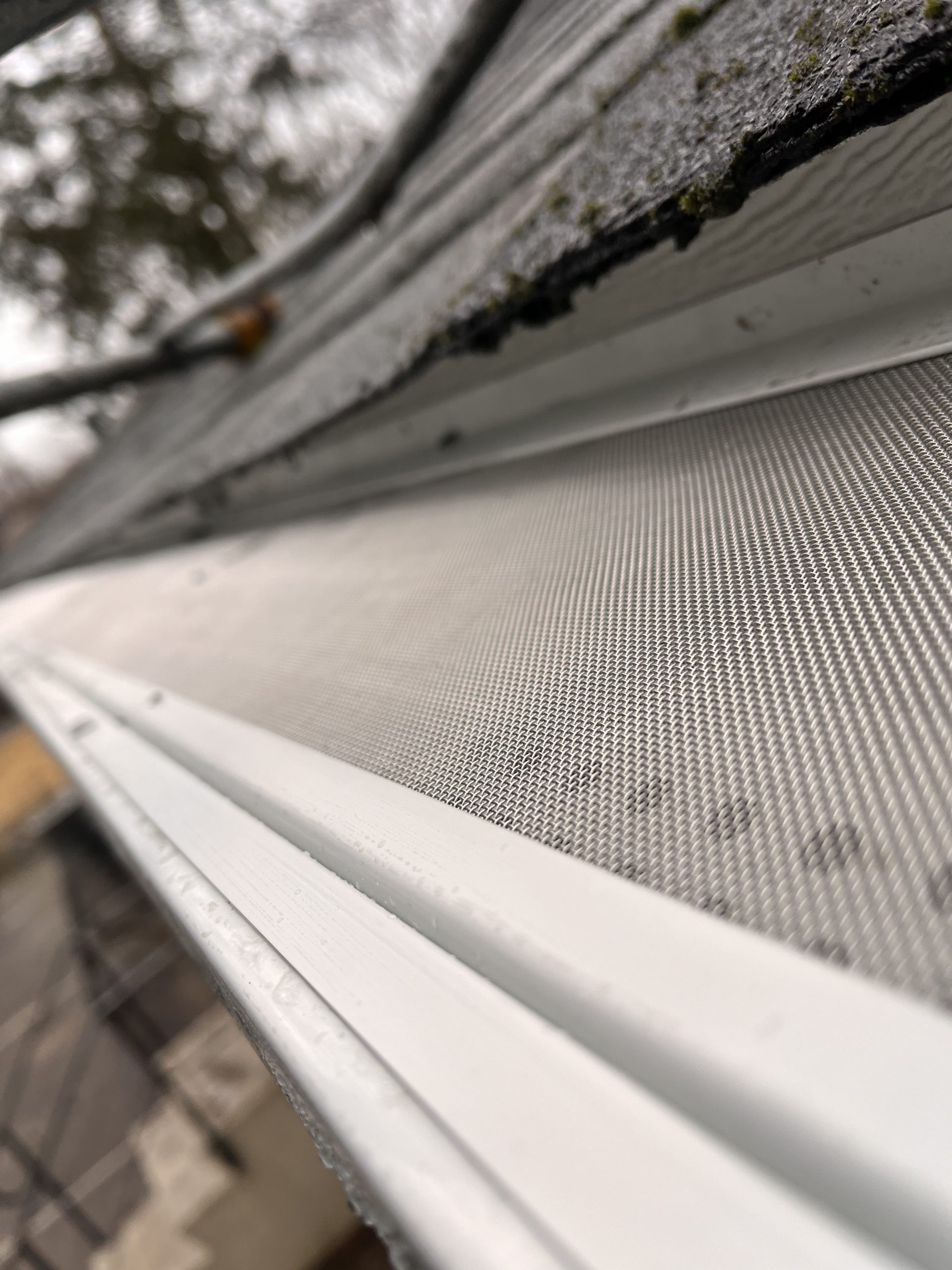
If you spend any time around homes in Hackettstown, you start to notice how much the local weather asks from a roofline. One week brings a hard summer downpour that dumps water off the shingles in sheets. A few months later, melting snow works its way toward the eaves, refreezes overnight, and tests every seam, bracket, and downspout. Gutters do not get much attention when they are working well, but when they are undersized, poorly pitched, or simply worn out, the damage shows up fast.
Homeowners usually start asking questions about gutter installation after they notice one of three things. Water is spilling over the front edge during storms. Mulch beds are washing out. Or there is a nagging line of staining on the fascia, siding, or foundation that was not there a year ago. By that point, the issue is no longer cosmetic. It is a drainage problem, and drainage problems almost always become repair problems if they sit too long.
The questions below are the ones that come up most often when people look into Gutter Installation Hackettstown services. Some are practical, some are budget-driven, and a few are about avoiding the kind of shortcuts that look fine on install day but fail after two seasons.
How do I know if I need new gutters or just a repair?
This is usually the first question, and it deserves a careful answer because not every gutter problem calls for a full replacement. A single loose hanger, an open seam, or a downspout elbow that got knocked loose can often be repaired without much drama. If the system is relatively new and the metal is still sound, repair makes sense.
Replacement becomes the smarter move when the problems are spread out across the whole run. If you are seeing multiple leaks, sections pulling away from the fascia, visible rust, sagging in the middle, or repeated overflow despite cleaning, you are likely dealing with a system that has reached the end of its useful life. Older sectional gutters often fail this way. One joint starts leaking, then another, and before long you are paying for one patch after another.
I have seen plenty of homes where the owner spent a few hundred dollars every year trying to keep an aging gutter system alive. Over three or four seasons, they spent enough to cover a large share of new seamless gutters anyway. That is the point where repair stops being economical and starts being a delay tactic.
Another thing to watch is what is happening below the gutter line. If water is carving channels through your soil, splashing onto brick or siding, or pooling near the foundation, the system is not doing its job, even if it technically remains attached to the house.
What type of gutters are most common for homes in Hackettstown?
For most homes in Hackettstown, seamless aluminum gutters are the standard choice, and for good reason. Aluminum balances cost, durability, and resistance to rust. Seamless runs also reduce the number of joints where leaks typically start. That matters in a climate with freeze-thaw cycles, heavy spring rains, and leaf buildup in the fall.
You will still see vinyl on some homes, usually where cost was the main priority. Vinyl can work for a time, but it tends to get brittle with age and temperature swings. In areas that see cold winters, that weakness becomes more noticeable. Steel is stronger, but it can rust if the finish is compromised. Copper is attractive and long-lasting, but it belongs in a different budget category and is usually chosen for higher-end homes or historic properties where appearance matters as much as performance.
The profile matters too. K-style gutters are by far the most common on residential homes because they carry a good volume of water and match the look most homeowners expect. Half-round gutters can be a nice fit on certain architectural styles, but they are less common in everyday residential Gutter Installation jobs.
Are seamless gutters really better?
In most cases, yes. The reason is straightforward. The fewer seams you have, the fewer places you have for leaks, separation, and debris snags. Traditional sectional gutters are assembled in pieces, which means every connection becomes a potential trouble spot over time.
Seamless gutters are custom formed on site to fit the home. That allows longer continuous runs with joints mainly at corners and downspout outlets. It is not that seamless systems are indestructible. They still need proper pitch, solid fastening, and periodic cleaning. But they usually age better than sectional systems because they eliminate many of the weak points built into older designs.
There is also an appearance benefit. A clean, continuous line along the roof edge simply looks better. It reads as finished work, not pieced-together work. For many homeowners, that matters, especially if they are already investing in roofing, fascia, or exterior painting.
What size gutters does a typical home need?
A lot of people assume all gutters are the same size. They are not, and sizing mistakes are common. The two sizes most homeowners hear about are 5-inch and 6-inch gutters. On many standard homes, 5-inch gutters are adequate if the roof design is simple and the number of downspouts is appropriate. But once you have larger roof sections, steeper slopes, valley-heavy rooflines, or concentrated water flow, 6-inch gutters often perform much better.
This is especially true on homes where one roof plane dumps into another. That kind of layout creates a surprising amount of runoff during intense storms. I have stood next to homes during summer cloudbursts and watched perfectly clean 5-inch gutters overflow because the roof design simply asked too much of them. The homeowner assumed the issue was debris. The real problem was capacity.
Downspout size matters just as much. A wider gutter connected to undersized downspouts can still back up. Good Gutter Installation is about the entire water path, not just the horizontal trough attached to the fascia.
How much does gutter installation usually cost?
Cost depends on material, house size, roof complexity, height, access, number of corners, and whether old gutters need to be removed first. For a straightforward one-story home with standard aluminum seamless gutters, pricing is often far more manageable than homeowners expect. Once you add multiple stories, steep rooflines, difficult access, premium colors, gutter guards, or fascia repairs, the number goes up.
Rather than chasing a suspiciously low estimate, it helps to understand what the estimate includes. Two quotes can look similar at first glance and be very different in quality. One contractor may be including heavier-gauge aluminum, better hangers, more downspouts, and full disposal of old material. Another may be pricing the bare minimum. That difference may not show up until the first serious storm.
If a contractor gives you a price without talking about slope, downspout placement, runoff patterns, or fascia condition, that is a warning sign. Good installers do not price gutters by guessing from the driveway.
How long does gutter installation take?
Most standard residential installs can be completed in a day, sometimes stretching into a second day if the home is large or the roofline is complicated. Removal of old gutters does not usually add much time unless there is hidden wood damage behind them.
Weather can slow things down, and so can surprises. Rotten fascia, missing drip edge, or old spike-and-ferrule fasteners that damaged the wood beneath them can all turn a simple job into a more involved one. The best contractors explain that possibility up front. Homeowners appreciate speed, but they appreciate honesty more.
A quick install is only a good thing when it is paired with careful workmanship. The system needs to be pitched correctly, the hangers need to be spaced properly, and the downspouts need to discharge where water will move away from the house. Fast and sloppy is how people end up calling someone else a year later.
Do gutter guards solve maintenance problems?
They help, but they do not eliminate maintenance entirely. That is the honest answer.
Gutter guards can reduce the amount of debris that enters the system, and on tree-heavy properties they can make a noticeable difference. In parts of Hackettstown where mature maples, oaks, and pines surround the home, guards can cut down on seasonal cleanouts and reduce clogs in the downspouts. But no guard makes a gutter system completely maintenance-free. Small debris still accumulates. Pollen, shingle grit, seed pods, and fine organic matter can build up over time.
The bigger issue is choosing the right guard for the property. A mesh product may perform well in one setting and struggle in another. A solid cover style may shed larger leaves effectively but be more sensitive to installation angle. There is no universal best option. It depends on the tree cover, roof pitch, and the homeowner’s tolerance for periodic upkeep.
Some homeowners regret adding guards because they expected never to think about gutters again. That expectation is the problem, not always the product itself.
Why do gutters overflow even after they’ve been cleaned?
When a freshly cleaned gutter still overflows, the cause is usually one of three things. https://juliusyybn564.almoheet-travel.com/how-gutter-installation-in-hackettstown-supports-exterior-home-care The pitch is wrong, the system is too small, or the downspouts are not handling the water volume. Debris is the obvious culprit, so homeowners often assume cleaning should fix everything. Sometimes it does. Often it only reveals the underlying design issue.
Improper pitch is a common problem on older installations and rushed replacements. If water cannot move efficiently toward the downspouts, it ponds in the gutter and eventually spills over. In other cases, the gutter may be level enough to drain in light rain but fail during heavier storms. That is why some people only notice the issue a few times a year.
Roof valleys can also dump concentrated water into one section faster than the gutter can carry it away. Splash guards sometimes help, but if the basic capacity is wrong, accessories will not fully solve it.
Can bad gutters really damage the foundation?
Yes, and the damage does not have to be dramatic to be expensive. Gutters exist to control where water goes. If they fail, that water ends up saturating the soil around the home. Over time, repeated wetting near the foundation can contribute to settlement issues, basement moisture, and crawlspace humidity. Even if structural damage never develops, you may still deal with stained masonry, eroded landscaping, and mildew-prone lower walls.
I have seen homeowners focus on a damp basement wall for months, trying sealants and dehumidifiers, when the real fix began outside with redirecting roof runoff. Water management is a system. Roof, gutters, downspouts, grading, and extensions all work together. If one part fails, the symptoms can show up somewhere else.
What should I ask a contractor before hiring them?
A good conversation with a contractor should leave you clearer, not more confused. You want specifics, not vague promises. Ask what material they recommend for your home and why. Ask what size gutter and downspout they plan to install. Ask how they determine placement for downspouts, whether they inspect the fascia before fastening new gutters, and what kind of hangers they use.
It is also smart to ask whether old gutters are being removed and hauled away, whether splash blocks or extensions are included, and what warranty applies to both materials and workmanship. Some problems show up not because the gutter itself failed, but because the installer fastened it into weak wood or ignored an existing drainage problem.
Here are a few practical questions worth asking during an estimate:
- Is the system sized for my roof area and the heaviest runoff points?
- Will you inspect the fascia and soffit before installation?
- How many downspouts do you recommend, and where will they discharge?
- What warranty covers workmanship, separate from manufacturer material coverage?
- Are gutter guards, extensions, or underground drains part of the estimate or extra?
A contractor who answers these clearly usually has a process. A contractor who gets irritated by these questions usually does not.
Does gutter color matter, or is it just cosmetic?
It is mostly cosmetic, but appearance matters more than people think. Gutters run along the entire roof edge, so the color choice affects curb appeal every day. Most homeowners either match the fascia and trim for a blended look or choose a complementary shade that works with the siding and roof color.
The practical side is that darker colors can make oxidation, fading, or debris streaks more noticeable over time depending on the material and exposure. Lighter colors may show dirt less dramatically, though they can highlight tiger striping if runoff patterns are poor. Neither issue should drive the entire decision, but both are worth thinking about.
If you are already planning exterior work in stages, it helps to choose a gutter color that will still make sense after future paint or siding updates.
Is winter a bad time for gutter installation?
Not necessarily, though conditions matter. Gutter Installation can be done in colder months as long as the weather is safe and the roof edge is accessible. Snow, ice, and frozen debris can complicate the work, but winter installation is not automatically off the table.
In fact, some homeowners decide to replace gutters after noticing ice buildup, overflow, or detached sections during winter storms. If the existing system is failing badly, waiting until spring can mean several more months of uncontrolled runoff. The right move depends on the severity of the problem and the installation conditions on the property.
What winter often reveals is not just that the gutters are old, but that they were never draining properly to begin with. Icicles and ice dams get the attention, but poor pitch and poor discharge frequently sit underneath those symptoms.
What happens if the fascia board is damaged?
Then it needs to be addressed before new gutters go up, or at least at the same time. Installing new gutters over rotten or compromised fascia is a short-term fix that creates a long-term headache. The hangers are only as reliable as the wood they are fastened into.
This is one of the more important moments in any Gutter Installation Hackettstown project because older homes, or homes with long-standing overflow issues, often have hidden damage behind the existing gutter line. Paint can conceal a surprising amount from the ground. Once the old gutter is removed, soft spots, rot, and water staining become easier to see.
A reputable installer points this out and explains the options. Sometimes it is a small repair on one section. Sometimes a longer run needs replacement. What matters is that it gets handled before the new system is secured.
Do I need more downspouts than I currently have?
Quite possibly. Many underperforming gutter systems are not failing because the gutters are defective. They are failing because there are too few exits for the water. A long run with only one downspout asks water to travel too far, especially during heavy rain. Add leaves or roof grit, and drainage slows even more.
Adding a downspout in the right location can improve performance significantly. It is not always the easiest visual choice, since homeowners naturally care about the look of the front elevation, but function has to come first. There are ways to place downspouts thoughtfully so they are less noticeable without sacrificing drainage.
This is where experience matters. Good installers balance the practical need to move water quickly with the homeowner’s desire to keep the exterior clean and symmetrical.
How do I know the water is being discharged far enough from the house?
Look at where the downspouts end, then watch the area during or right after a heavy rain. If water is pooling near the foundation, splashing back onto siding, or cutting a trench through the flower bed, it is not going far enough. Even a well-installed gutter system can underperform if the discharge point is poor.
Extensions are a simple fix in many cases, but they need to be long enough and aimed where the yard can accept the runoff. On some properties, that means directing water across a slope and away from walkways. On others, it means tying into an underground drainage line. The right answer depends on grading, soil, landscaping, and how much water the roof is collecting.
A short downspout that dumps next to the foundation is one of the most common weak links I see. Homeowners invest in new gutters, then unknowingly leave the final step unfinished.
Are gutters something I can install myself?
A capable homeowner can tackle some home projects successfully, but gutters are less forgiving than they look. The challenge is not simply hanging metal along the roof edge. The challenge is getting the pitch right, fastening into sound structure, placing outlets intelligently, cutting clean joints where needed, and making sure the whole system drains under real storm conditions.
Working from ladders also changes the equation. One-story homes are safer than two-story homes, but even on a lower roofline, long gutter sections are awkward to handle. And if you make a small pitch error over a long run, you may not notice the mistake until the next hard rain.
DIY sometimes makes sense for a shed, garage, or small outbuilding. For a primary residence, especially one with multiple elevations or drainage concerns, professional installation is usually money well spent.
A few signs that your gutters are not doing their job
Some failures are obvious. Others build slowly enough that homeowners stop noticing them. If you are evaluating whether it is time to call for Gutter Installation or inspection, these are worth taking seriously:
- Water spills over the front edge during moderate or heavy rain.
- Gutters are pulling away from the fascia or visibly sagging.
- Paint is peeling on trim near the gutter line.
- Soil, mulch, or gravel is washing out below downspouts.
- Basement or crawlspace moisture seems worse after storms.
None of these automatically means full replacement, but each one points to a drainage issue that deserves attention.
What makes a gutter installation last?
Longevity comes from a combination of material quality, proper sizing, correct slope, secure fastening, and smart water discharge. Miss one of those, and the life of the system gets shorter. A beautifully straight gutter line installed with too few hangers may look perfect the day it goes up and start bowing later. A heavy-gauge product installed on rotten fascia is not a durable system. It is expensive wishful thinking.
Maintenance still plays a role. Even a well-installed system needs occasional inspection. Branches fall. Downspouts clog. Roof granules collect. Sealants age. But a good installation gives you a strong baseline, which means maintenance stays routine instead of becoming a cycle of avoidable repairs.
That is really what homeowners in Hackettstown are buying when they invest in quality gutter work. Not just metal attached to the roofline, but a reliable path for water to move off the home and away from the parts of the property that are expensive to repair. When that path is designed well, most people stop thinking about their gutters entirely, and that is exactly how it should be.
Just Gutters LLC
Address: 262 Main St, Hackettstown, NJ 07840
Phone number: +12013319454
FAQ About Gutter Installation Hackettstown
Can I install a gutter myself?
Yes, you can install gutters yourself. DIYers typically use aluminum or vinyl sections from home improvement stores. The project requires basic tools, precise measuring, and comfort working on ladders. Key steps include snapping a chalk line for a slight slope (1/4 inch per 10 feet toward downspouts), securing hangers every 2 feet, and caulking all joints securely.
How much does body contouring usually cost?
The Home Depot typically charges between $1,000 and $3,600 for a standard professional gutter installation on a typical single-family home with 200 linear feet of gutters. Calculated on a per-foot basis, the cost usually ranges from $5 to $18 per linear foot, highly dependent on the material you select.
How much does a 40 ft seamless gutter cost?
A 40 ft seamless gutter run will cost between $240 and $1,120+ fully installed, depending on the material you choose. Because seamless gutters require specialized on-site fabrication machines, they are rarely sold as DIY kits and are priced per linear foot.